Kitchen cabinet refinishing in Houston.
Kitchen cabinet refinishing renews the finish on the cabinets you already have instead of replacing them. If you want to keep the wood visible, that means stripping or sanding and restaining, or toning darker, then a protective clear finish. If you would rather have a solid color, refinishing means painting. We do both, and we will tell you which your cabinets can take.
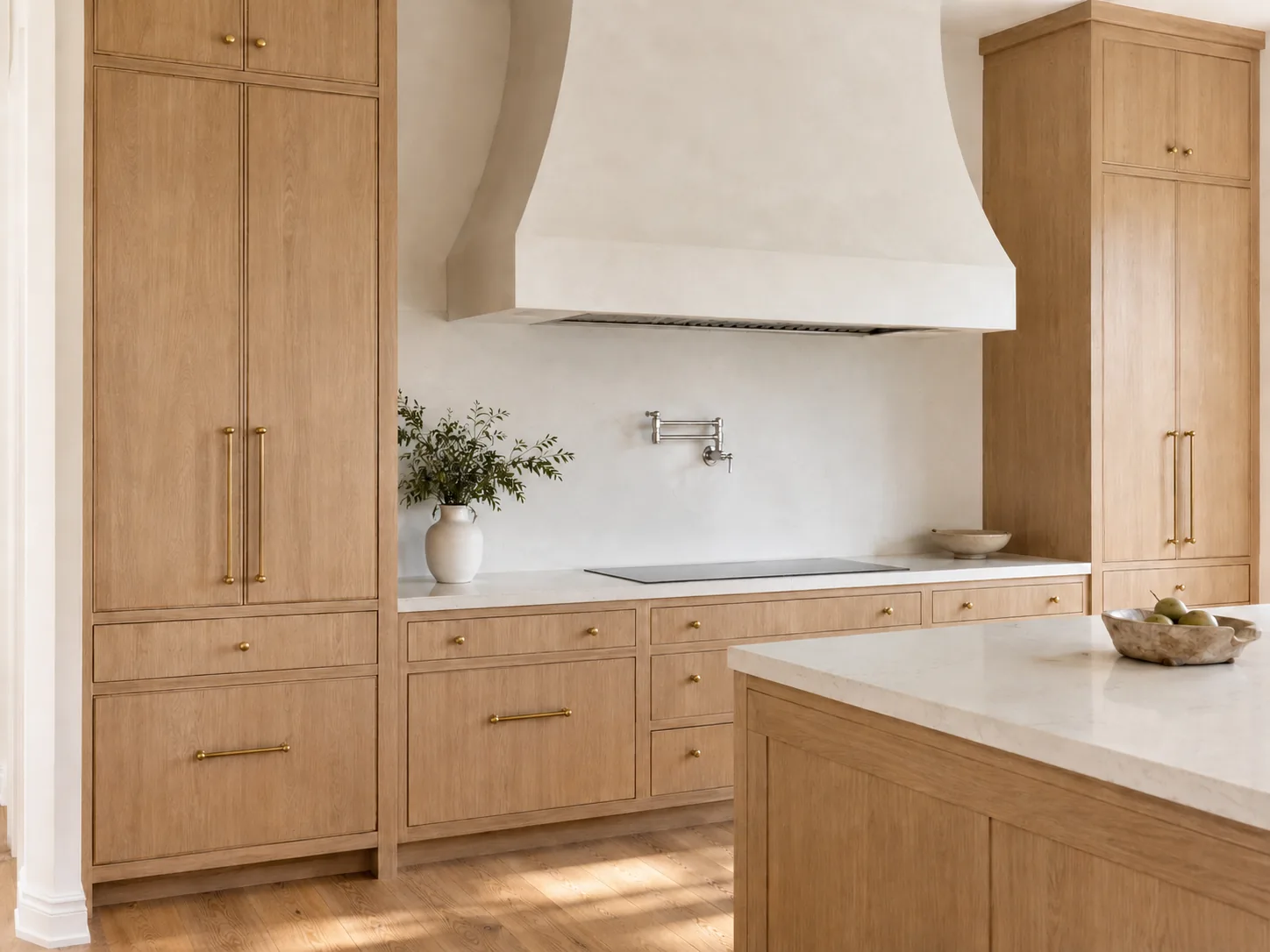
Two ways to refinish kitchen cabinets: restain or paint
| Question | Restain or tone | Paint |
|---|---|---|
| Keeps the wood grain visible | Yes | No, a solid sprayed color |
| Works on | Solid wood and real-wood veneer that can take stripping or toning | Most sound wood and many previously finished cabinets |
| Color direction | Lighter needs finish removal; darker may be toned after evaluation | Any color from the finish library |
| Planning | Set by construction, current coating, repairs, and color direction; see the refinishing cost page | Most full kitchens $3,500–$9,000; see professional cabinet painting |
| Timeline | Confirmed after substrate, stripping, repair, sample, and clear-coat scope is approved | Typically three to five days |
New doors come only as part of a cabinet refacing scope.
What photos help with a cabinet-refinishing assessment?
Show the existing wood and finish before choosing a stain direction. These views help us identify what needs an in-person check and whether restaining, darker toning, painting, or refacing deserves a closer look.
- Take a wide view of each cabinet run and the island, if there is one.
- Add a close view of a door face, its edge, and an inside surface so we can see how the cabinet is built.
- Show worn areas, peeling finish, dark water marks, swollen panels, or earlier repairs.
- Describe the goal: keep the current wood character, go lighter, tone darker, or change to a solid color. Include any planned door or hardware changes.
Photos start the assessment. The wood, veneer, existing coating, and condition determine the preparation and sample work; the written proposal confirms the scope. A screen swatch cannot confirm how a stain will look on your own cabinets.
Start a refinishing assessment with your kitchen photos, or review the wood refinishing planning guide before choosing a direction.
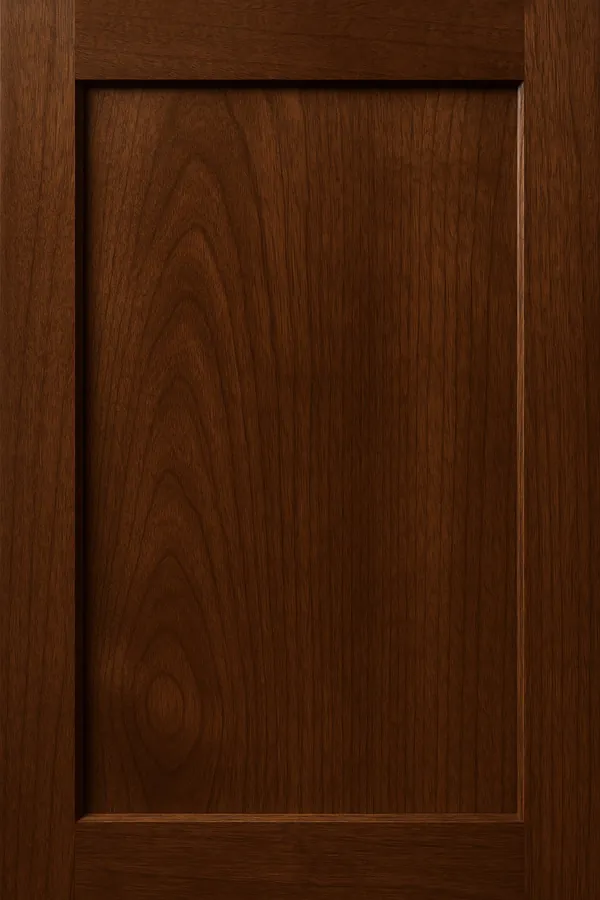
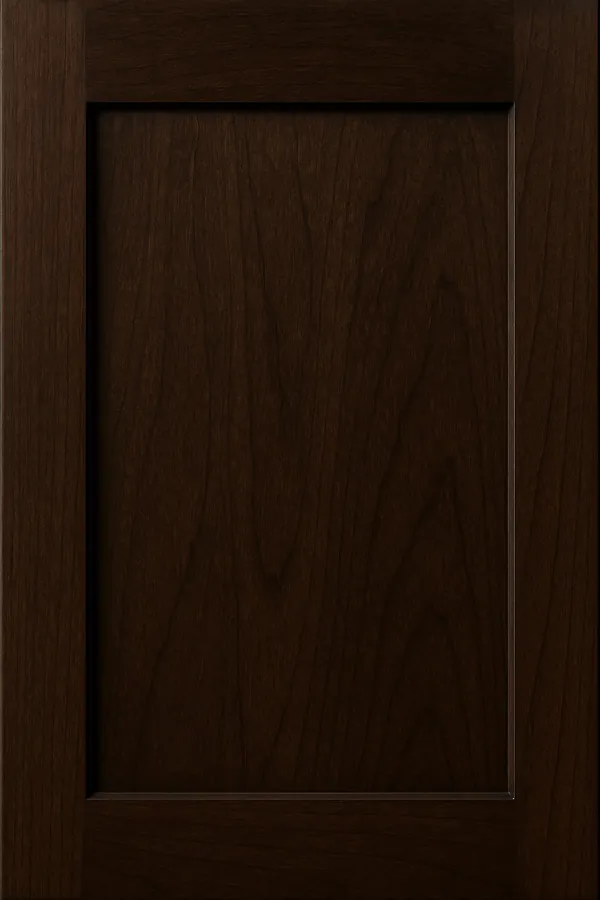
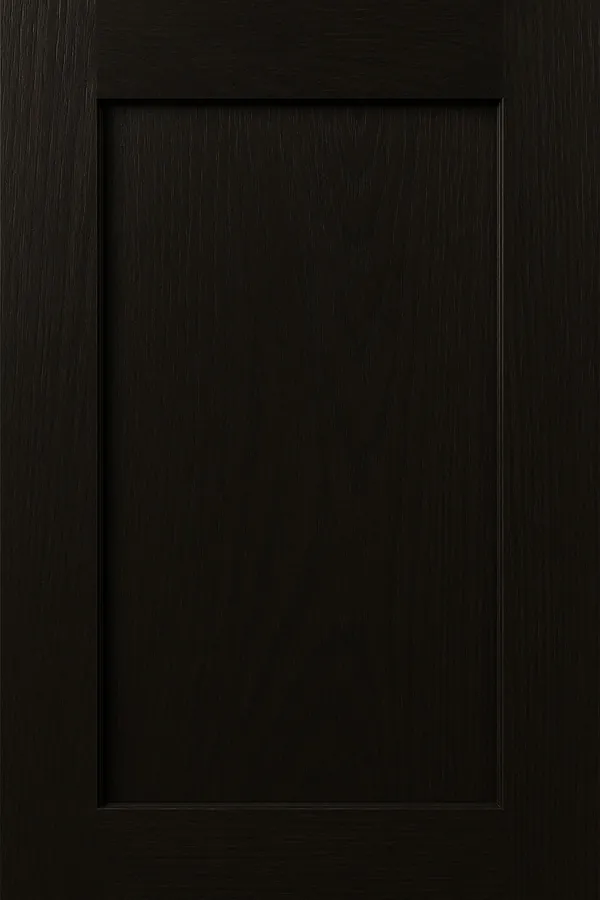
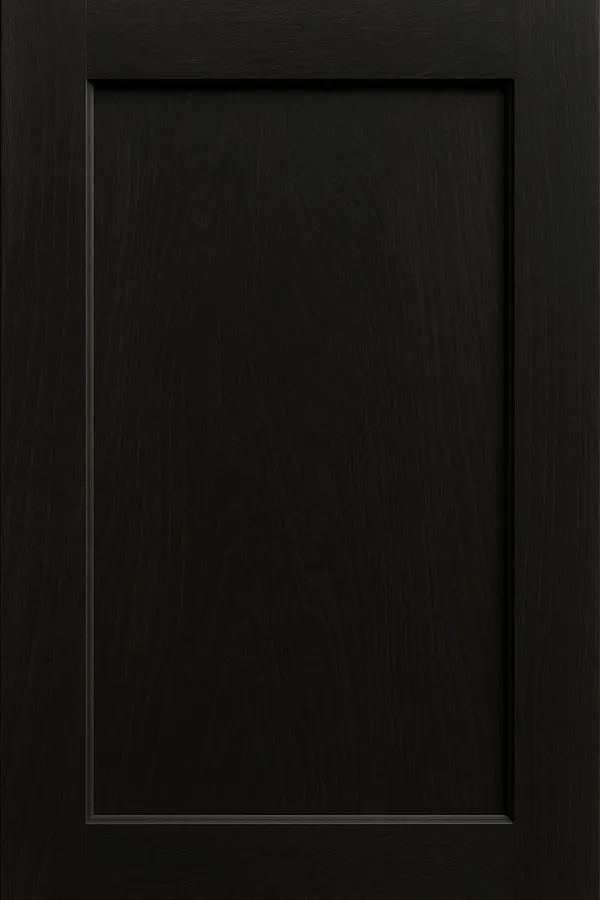
Compare the tone. Keep the profile constant.
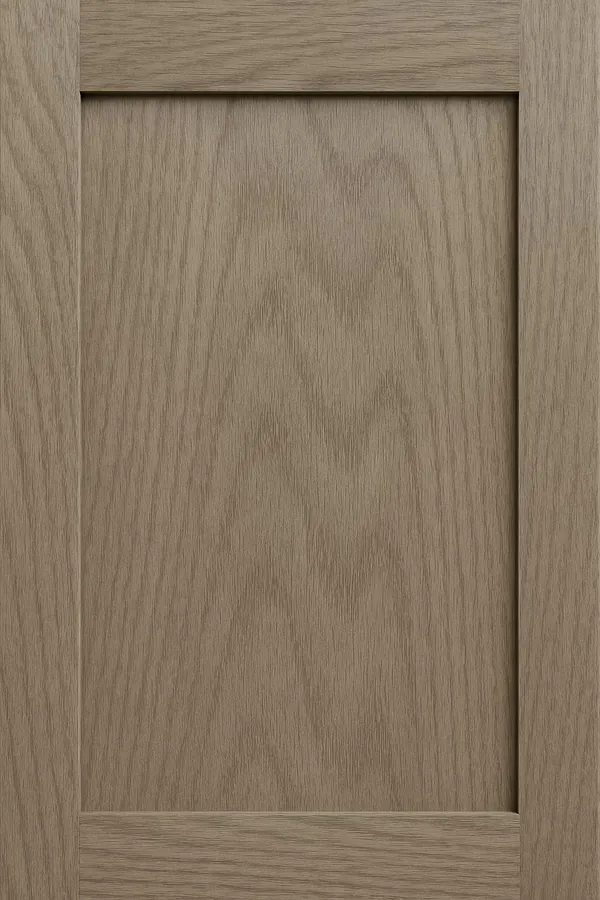
These eight photorealistic Shaker samples keep the door shape consistent so you can compare stain depth without confusing it with a different profile. Final approval still happens on your cabinet species, in your kitchen light.
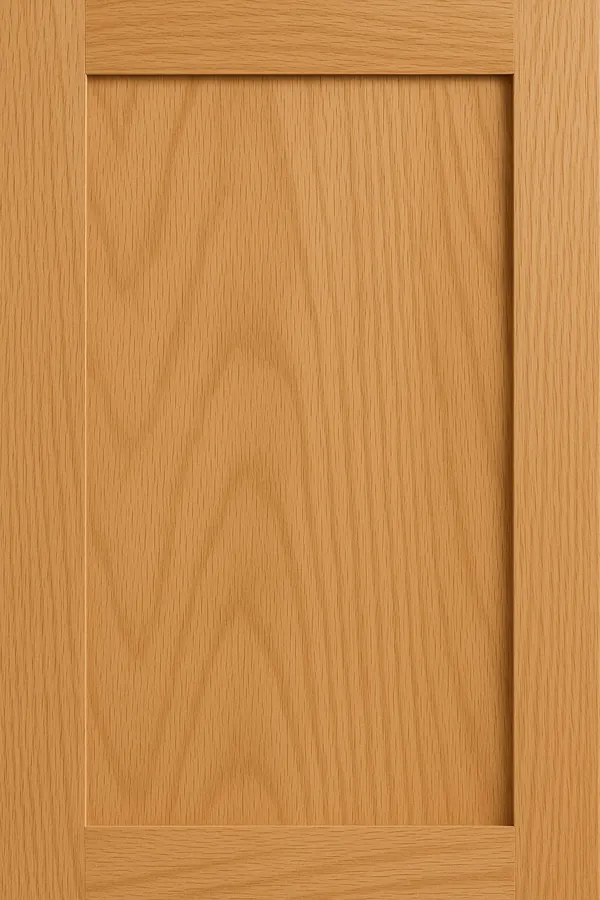
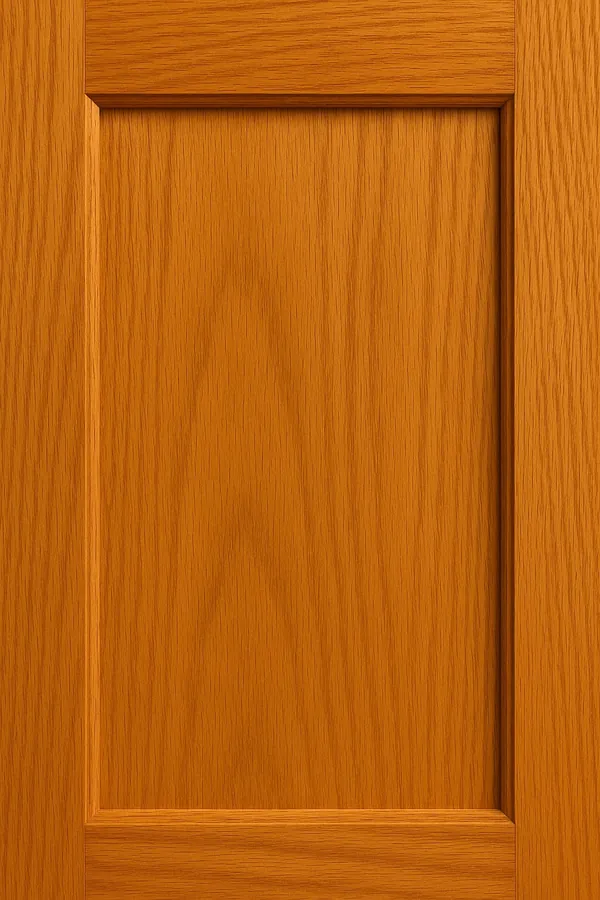
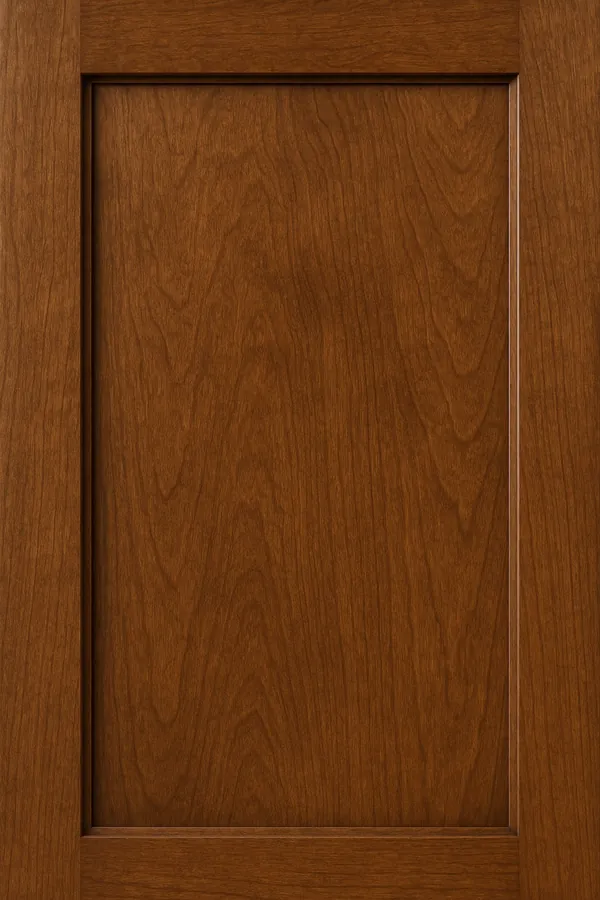
Two directions. One documented finish plan.
Going lighter and going darker do not begin with the same preparation. We confirm the material, existing finish, target color, and sample process before the scope is approved.
What is on the cabinets now?
Existing cabinets are evaluated for their wood, construction, condition, and current coating before a removal or toning method is selected.
Lighter and darker are different projects.
A lighter direction generally requires chemical stripping or sanding to bare wood when the construction allows. A darker direction may sometimes use a compatible toning approach. The written proposal identifies the planned method.
Finish details belong in the proposal.
The selected color, sheen, product system, sample process, and early-care instructions are documented for the project. Product-specific cure and care guidance follows the manufacturer instructions for the approved system.
Compatibility comes first.
Previously finished cabinets need an on-site review because doors, face frames, end panels, veneers, and repairs may respond differently to finish removal or color adjustment.
If the existing construction or coating does not support the requested direction, we explain the limitation and recommend the next practical option. The approved scope controls what is stripped, sanded, toned, repaired, stained, or clear-coated.
Refinishing vs refacing vs replacing your kitchen cabinets
- Refinishing keeps your doors and boxes and renews the finish, by restaining or by painting.
- Refacing keeps the boxes and layout and replaces the doors, drawer fronts, and visible surfaces. See cabinet refacing.
- Replacing removes the cabinets and is quoted separately by a remodeler, often with countertop and plumbing work.
Oak and dated wood finishes: restain, tone, or paint?
Golden or orange oak is one of the most common refinishing requests. Going darker can sometimes be done by toning after evaluation. Going lighter usually needs the old finish stripped to bare wood, which not every cabinet can take. When stripping is not practical, painting gives a clean solid color instead. We test on your cabinets before the scope is approved.
Planning context for existing-cabinet work stays on the cabinet refinishing cost page. You can also compare cabinet painting vs refinishing or painting vs refacing. ColorUp operates from its Porter production shop and serves Kingwood and Greater Houston.
Final pricing depends on cabinet count, construction, current coating, condition, repairs, color direction, sample process, finish system, and the written scope. The proposal identifies the work included for your project.
What people ask before they say yes.
Wood species, construction, the existing coating, and the requested color direction all affect the refinishing plan. We confirm those details before the written scope is approved.
How do I know what my cabinets are made from?
We verify the relevant surfaces during the consultation. Door faces, edges, face frames, end panels, and interior components may use different materials, so one visible area is not enough to set the full scope.
Will the new stain match the original color?
A close match may be possible, but age, oxidation, wood species, grain, and the previous finish can affect the result. The proposal documents the target direction and the sample process used for approval.
Can damaged or water-stained wood be repaired?
Some localized damage can be repaired; other areas may need a replacement component or a different finish plan. We identify visible limitations and proposed repairs in the written scope before work begins.
How long does a stained finish hold up?
Service life depends on the substrate, preparation, approved product system, daily use, cleaning, moisture, and maintenance. The project proposal and care guidance identify the finish system and the instructions that apply to it.
Can I refinish my cabinets a lighter color?
Usually only by stripping the existing finish to bare wood, and only when the construction allows it. If it does not, painting is the practical way to go lighter.
Is refinishing the same as painting?
Painting is one way to refinish. Restaining keeps the wood grain visible; painting covers it with a solid sprayed color. We do both.
How long does kitchen cabinet refinishing take?
Painting typically takes three to five days. A restain is confirmed after the substrate, stripping, repair, sample, and clear-coat scope is approved.
How much does kitchen cabinet refinishing cost?
It depends on the route. Painting plans $3,500–$9,000 for most full kitchens. A restain is priced from construction, current coating, repairs, and color direction; see the refinishing cost page.
Should I refinish or reface my cabinets?
Refinish when you like the door style and the boxes are sound. Reface when you want a different door style on the boxes you have. New doors come only as part of a refacing scope.
Do you refinish the cabinet boxes too, or just the doors?
Both. Doors, drawer fronts, face frames, and visible box surfaces are included when listed in the written scope, so the kitchen finishes as one consistent run.
Start with the wood. Then choose the direction.
Send photos or book an in-home estimate. We will confirm whether your wood and existing finish suit a restain, a darker tone, or paint, then document the next useful step.