Cabinet refinishing & new-door staining.
New unfinished doors begin with bare-wood preparation before the selected stain and protective clear finish are applied. Previously finished cabinets follow a different path based on the existing coating, cabinet construction, and the color direction you want.
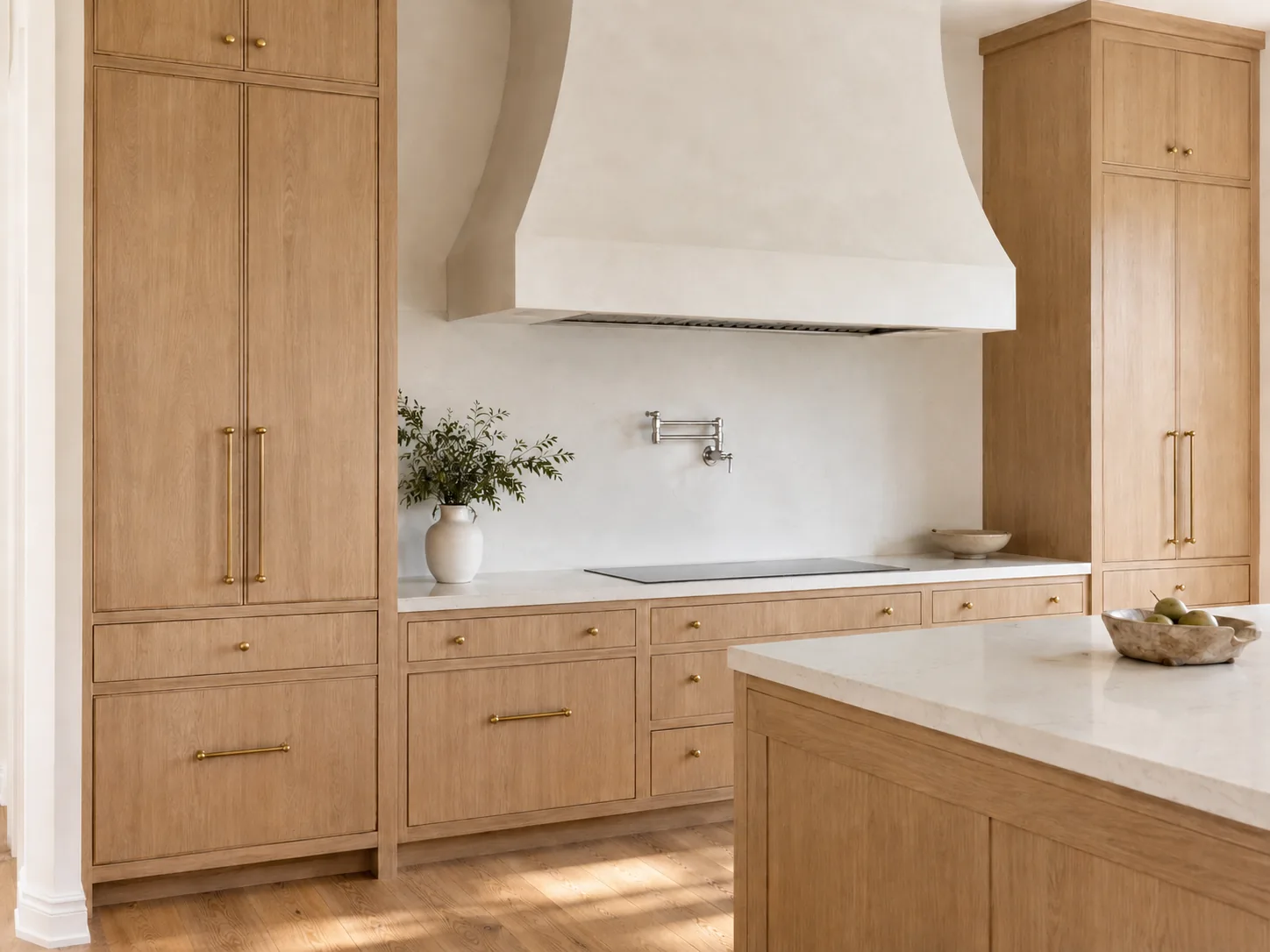
Cabinet painting, refinishing, and refacing in Houston
New unfinished doors begin with bare-wood preparation. Existing cabinets are evaluated by construction, current coating, condition, and color direction; lighter work generally requires finish removal, while compatible darker work may use a toning approach.
| Service | Typical planning range | Best fit |
|---|---|---|
| Cabinet painting | Usually from $3,500; most $3,500–$9,000 ($2,500 smaller standalone only) | Keep the boxes, doors, and layout |
| Existing cabinet refinishing | $4,500–$9,500 | Update a compatible existing wood finish; new unfinished doors are scoped separately |
| Cabinet refacing | $5,000–$12,000 | Keep sound boxes but change the door profile |
Final pricing depends on cabinet count, condition, repairs, finish direction, hardware, and the written scope. ColorUp serves Houston, Kingwood, The Woodlands, Humble, Spring, Katy, Cypress, and nearby communities as a service-area business based in Kingwood, TX.
See completed Houston-area cabinet projects or review the full cabinet painting cost guide.
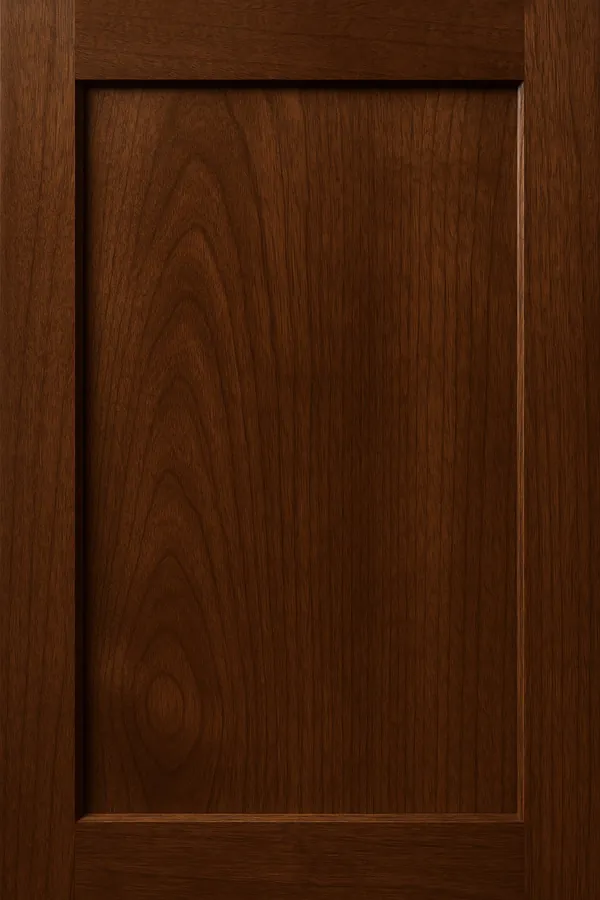
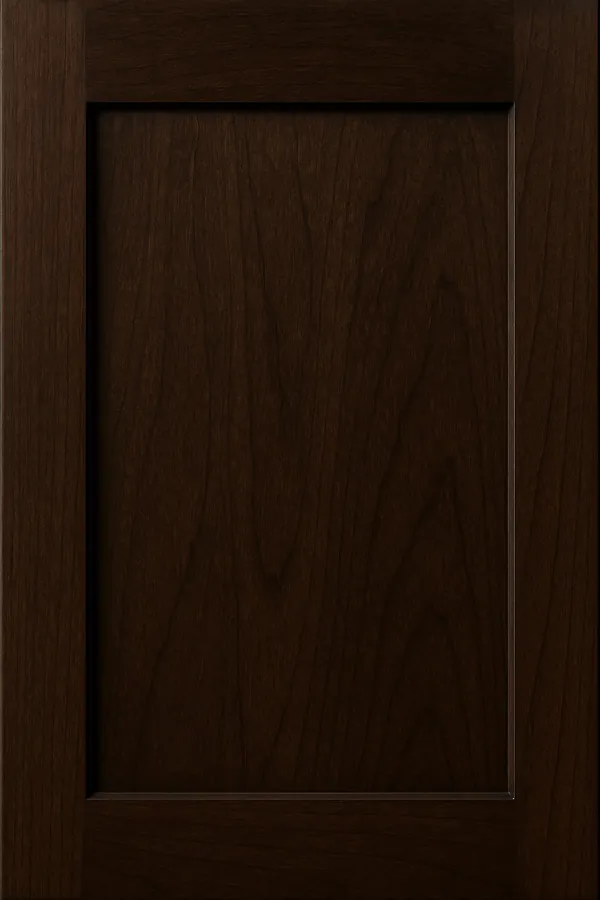
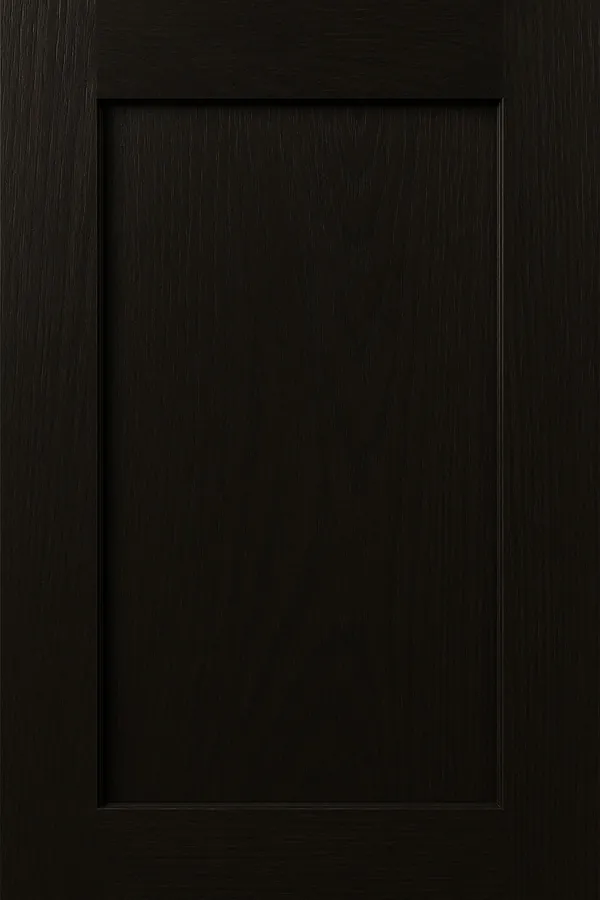
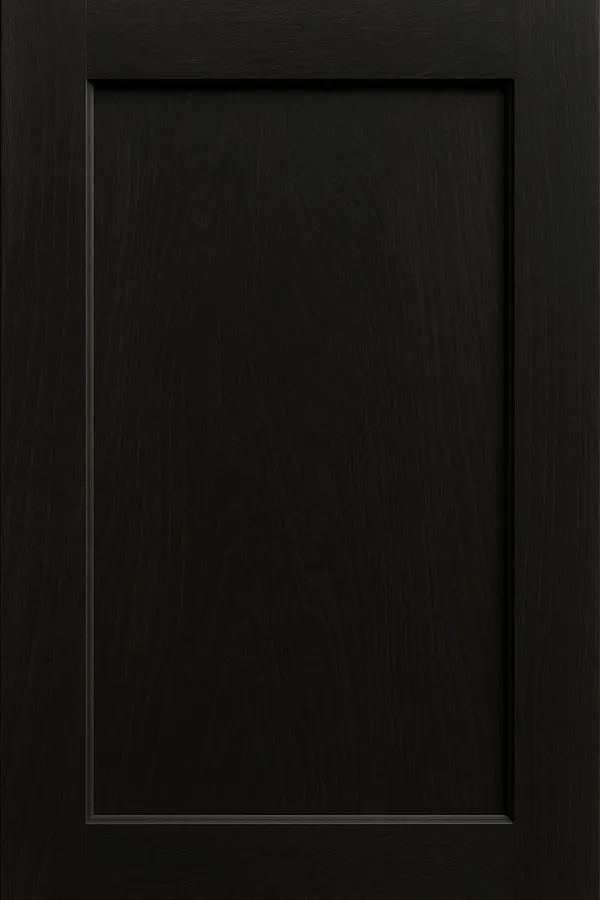
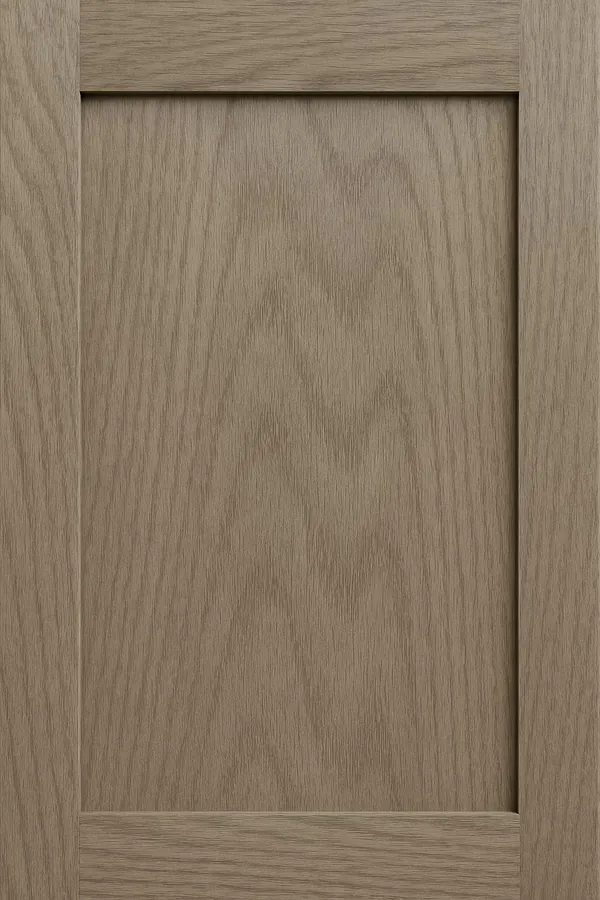
Compare the tone. Keep the profile constant.
These eight photorealistic Shaker samples keep the door shape consistent so you can compare stain depth without confusing it with a different profile. Final approval still happens on your cabinet species, in your kitchen light.
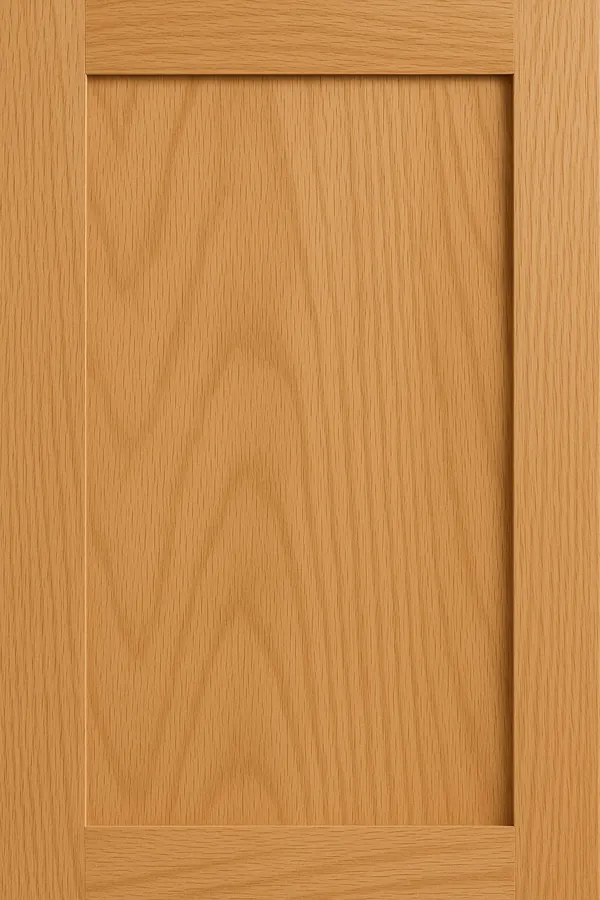
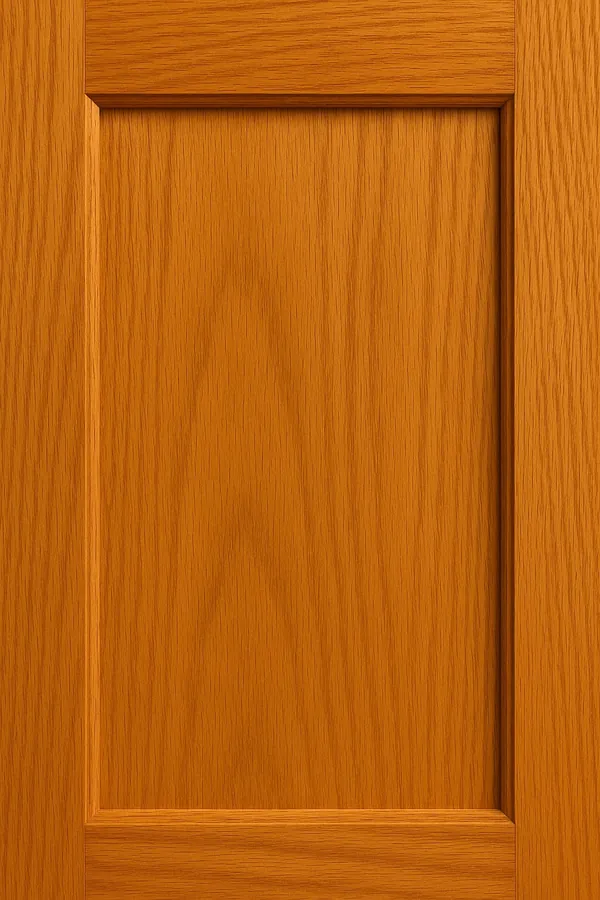
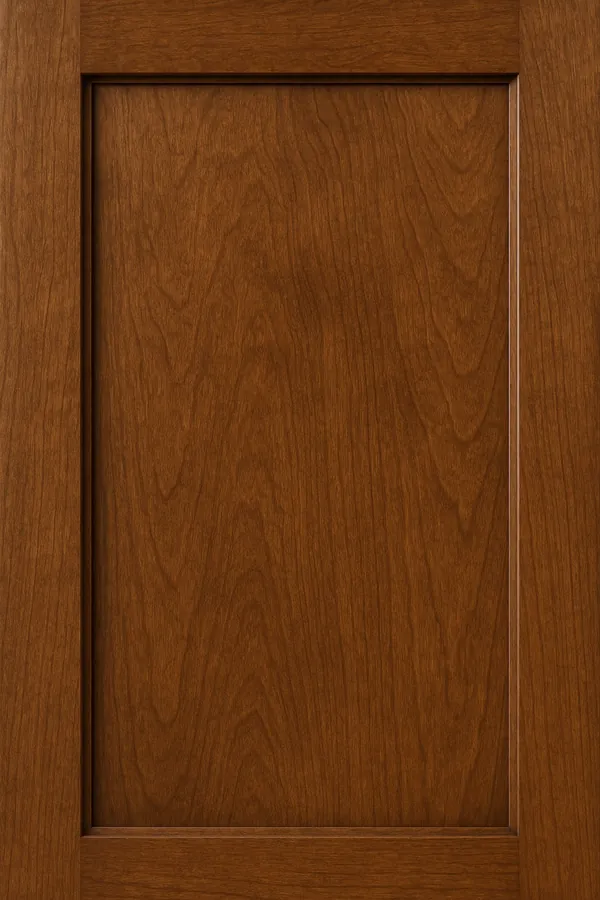
Two starting points. One documented finish plan.
New unfinished doors and previously finished cabinets do not begin with the same preparation. We confirm the material, existing finish, target color, and sample process before the scope is approved.
Unfinished or previously finished?
New unfinished doors start with bare-wood preparation. Existing cabinets are evaluated for their wood, construction, condition, and current coating before a removal or toning method is selected.
Lighter and darker are different projects.
A lighter direction generally requires chemical stripping or sanding to bare wood when the construction allows. A darker direction may sometimes use a compatible toning approach. The written proposal identifies the planned method.
Finish details belong in the proposal.
The selected color, sheen, product system, sample process, and early-care instructions are documented for the project. Product-specific cure and care guidance follows the manufacturer instructions for the approved system.
Compatibility comes first.
New unfinished wood doors can be stained after bare-wood preparation. Previously finished cabinets need an on-site review because doors, face frames, end panels, veneers, and repairs may respond differently to finish removal or color adjustment.
If the existing construction or coating does not support the requested direction, we explain the limitation and recommend the next practical option. The approved scope controls what is stripped, sanded, toned, repaired, stained, or clear-coated.
Planning context for existing-cabinet work stays on the cabinet refinishing cost page. You can also compare painting vs refacing. ColorUp is a service-area business based in Kingwood, TX.
Final pricing depends on cabinet count, construction, current coating, condition, repairs, color direction, sample process, finish system, and the written scope. The proposal identifies the work included for your project.
What people ask before they say yes.
Wood species, construction, the existing coating, and the requested color direction all affect the refinishing plan. We confirm those details before the written scope is approved.
How do I know what my cabinets are made from?
We verify the relevant surfaces during the consultation. Door faces, edges, face frames, end panels, and interior components may use different materials, so one visible area is not enough to set the full scope.
Will the new stain match the original color?
A close match may be possible, but age, oxidation, wood species, grain, and the previous finish can affect the result. The proposal documents the target direction and the sample process used for approval.
Can damaged or water-stained wood be repaired?
Some localized damage can be repaired; other areas may need a replacement component or a different finish plan. We identify visible limitations and proposed repairs in the written scope before work begins.
How long does a stained finish hold up?
Service life depends on the substrate, preparation, approved product system, daily use, cleaning, moisture, and maintenance. The project proposal and care guidance identify the finish system and the instructions that apply to it.
Start with the wood. Then choose the direction.
Send photos or book an in-home estimate. We will confirm whether the project starts with new unfinished doors or an existing finish, then document the next useful step.